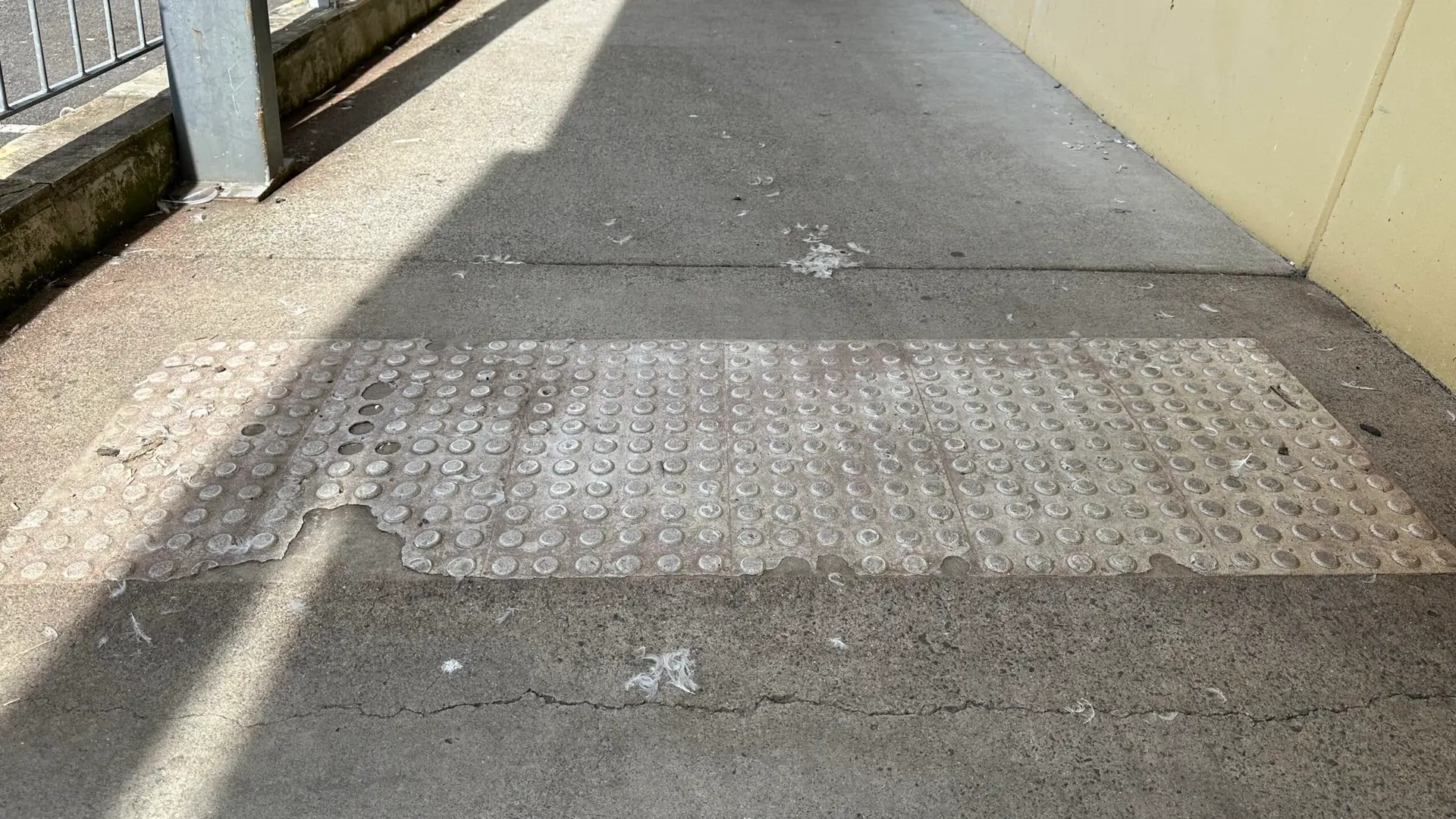
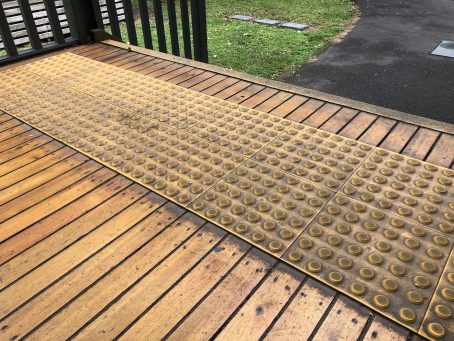
We provide both onsite & desktop disability access audits. Access audits provide a comprehensive report and we work along side governments, design teams, owners, companies etc.
A performance solution report is where a deemed to satisfy provision is not met and an alternative building solution is proposed. The performance solution report is to articulate how the building solution is equal to or greater than that of the minimum requirement.
More and more requests are being made of product suppliers to provide a disability access compliance certification. ASN specialises in these certifications for suitability and usability of mainstream products for people with disability.
A luminance contrast test is a calculation between two (2) surfaces Light Reflectance Values (LRV’s). This determines the percentage of difference and is used to confirm compliance or deem not compliant.
When is it best to engage ASN? As early as is possible. This is usually at the design phase of a project. ASN can assist by providing advice direction so that in the future stages there has already been a number of common mistakes avoided.